Baggage Scanner Types and Uses | Informational Guide
Learn baggage scanner types, uses & X-ray screening basics. Discover how modern baggage scanners improve security in airports, metros & buildings.
Every morning across India, millions of people walk through airports, metro stations, malls, courts, and government buildings. Most never notice the quiet line of machines standing guard at every entrance — yet these systems are the first layer of modern security. That invisible protector is the baggage scanner.
A baggage scannerallows security teams to inspect luggage and parcels without opening bags, slowing queues, or invading privacy. What started as aviation-only technology has now become essential infrastructure across public transport, commercial complexes, and high-security facilities.
With rising passenger volumes and increasing safety expectations, manual bag checking is no longer practical. Today’s baggage scanner machines combine X-ray imaging, intelligent software, and rugged hardware to deliver fast, reliable screening in high-traffic Indian environments.
What Is a Baggage Scanner?
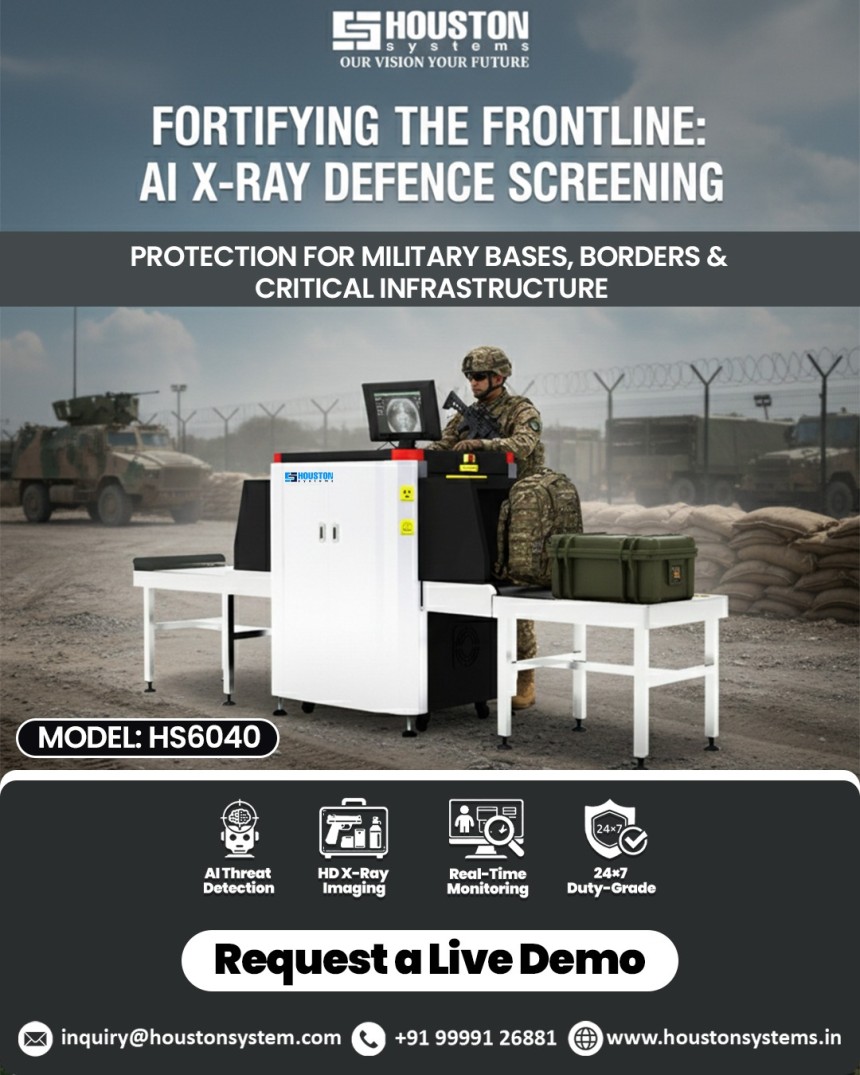
A baggage scanner is an X-ray–based security device designed to inspect bags, backpacks, and parcels for prohibited or dangerous items — without physically opening them.
You may hear these systems described as:
- x ray baggage scanner
- baggage scanner machine
- airport baggage scanner
- x ray scanners
- luggage scanner machine
- x ray scanner machine
- x ray baggage scanner machine
All of these refer to variations of the same core idea: X-ray imaging for non-intrusive threat detection.
Compared to manual checks, a modern baggage scanner offers:
Faster screening
Higher accuracy
Consistent results
Reduced manpower dependency
- Digital image records for audits
That’s why baggage scanners are now standard in:
- Airports
- Metro & railway stations
- Courts and government offices
- Commercial complexes
- Hotels and convention centres
Their role is simple but critical: identify risks early while keeping people moving smoothly.
How Does a Baggage Scanner Work? (Step-by-Step)
- A modern X-ray baggage scanner blends physics and software into one seamless workflow:
- Bag entry – Luggage moves into the tunnel on a conveyor belt.
- X-ray emission – The system sends controlled X-rays through the bag.
- Material interaction – Different materials absorb radiation differently.
- Detection – Sensor arrays capture transmitted signals.
- Image creation – Software converts data into colour-coded images.
- Operator review – Security staff analyze the screen using zoom and enhancement tools.
Most x ray scanners use colour mapping:
- Orange – organic materials (food, explosives)
- Blue – metals (weapons, tools)
- Green – mixed materials
Advanced x ray baggage scanner machines also support:
- Dual-energy imaging
- Dual-view scanning
- Automatic threat recognition
These features dramatically reduce false alarms — especially important in busy airport baggage scanner environments.
Core Components of a Baggage Scanner Machine
A professional baggage scanner system typically includes:
X-Ray Generator
Produces controlled radiation for scanning.
Conveyor System
Moves bags smoothly through the tunnel.
Detector Arrays
Capture X-ray signals after passing through luggage.
Image Processing Unit
Transforms signals into high-resolution visuals.
Operator Console
Displays images and provides analysis tools.
Radiation Shielding
High-quality baggage scanner machines are engineered for continuous 24×7 operation, making them suitable for metros, airports, and government facilities.
Types of X-Ray Baggage Scanners
Different facilities require different scanner sizes and capabilities.
Small Tunnel Scanners
- Offices, courts, hotels
- Ideal for handbags and parcels
Medium Tunnel Scanners
- Metro stations, malls
- Handles backpacks and cabin luggage
Large Tunnel Airport Baggage Scanners
- Airports and railway stations
- Screens trolley bags and suitcases
Dual-View X Ray Scanner Machines
- Two scanning angles
- Better detection of overlapping objects
High-Penetration Systems
- Sensitive government locations
- Enhanced material discrimination
Each x ray baggage scanner machine is selected based on baggage size, footfall, and threat level.
What Can a Baggage Scanner Detect?
Modern baggage scanners are designed to identify:
- Firearms and knives
- Explosives and detonators
- Sharp objects
- Contraband items
Detection works through:
- Shape recognition
- Density analysis
- Material classification
Security operators interpret these visual cues, making the baggage scanner a powerful preventive tool rather than just an inspection device.
Real-World Example: Metro Security Deployment in India
A major Indian metro station processing over 2 lakh passengers daily struggled with:
Long queues during peak hours
Manual bag inspections
- Inconsistent screening quality
Solution
ployment of medium-tunnel baggage scanner machinesat every entry point.
Results
✅ Screening time reduced by ~50%
✅ Passenger flow improved
✅ Manual checks minimized
✅ Compliance audit scores increased
This shows how baggage scanners improve both safety and operational efficiency. wherever large crowds gather.
Baggage Scanner vs Manual Baggage Checking
Parameter
Manual Checking
Baggage Scanner
Accuracy
Low
High
Speed
Slow
Fast
Human Error
High
Minimal
Throughput
Limited
High
Safety
Moderate
Strong
Scalability
Poor
Excellent
How to Choose the Right Baggage Scanner
Before investing, consider:
- Daily passenger volume
- Maximum baggage size
- Tunnel dimensions
- Image clarity & software tools
- Local service and AMC support
Working with experienced integrators like Houston Systems ensures certified installation, operator training, and long-term reliability.
Why Manufacturer & Integrator Expertise Matters
A baggage scanner is not just equipment — it’s regulated security infrastructure.
A capable provider delivers:
- Certified machines
- Proper site planning
- Operator training
- AMC & lifecycle support
This minimizes downtime and ensures readiness for inspections and audits.
FAQs
What is a baggage scanner used for?
A baggage scanner inspects luggage for weapons, explosives, and prohibited items without opening the bag.
How does an X ray baggage scanner work?
It passes X-rays through luggage and converts signals into images showing material density and shape.
Are baggage scanners safe?
Yes. They operate within strict radiation safety limits.
Where are baggage scanners mandatory in India?
Airports, metro stations, and many government facilities.
What is the lifespan of a baggage scanner machine?
Typically 8–12 years with proper maintenance.
Conclusion: Why Baggage Scanners Are the First Line of Modern Security
A baggage scanner is no longer optional it’s a cornerstone of public safety. For Indian airports, metros, courts, and commercial facilities, baggage scanner systems deliver faster screening, stronger protection, and smoother operations.
As security challenges evolve, investing in certified, future-readyx ray baggage scannersolutions is both a regulatory requirement and a responsibili




What is HRMS Software? How is it a Game-Changer for an Organization?


